What to see in Hurghada depends on whether you came for the reef, the desert or a base for Luxor, and it does all three
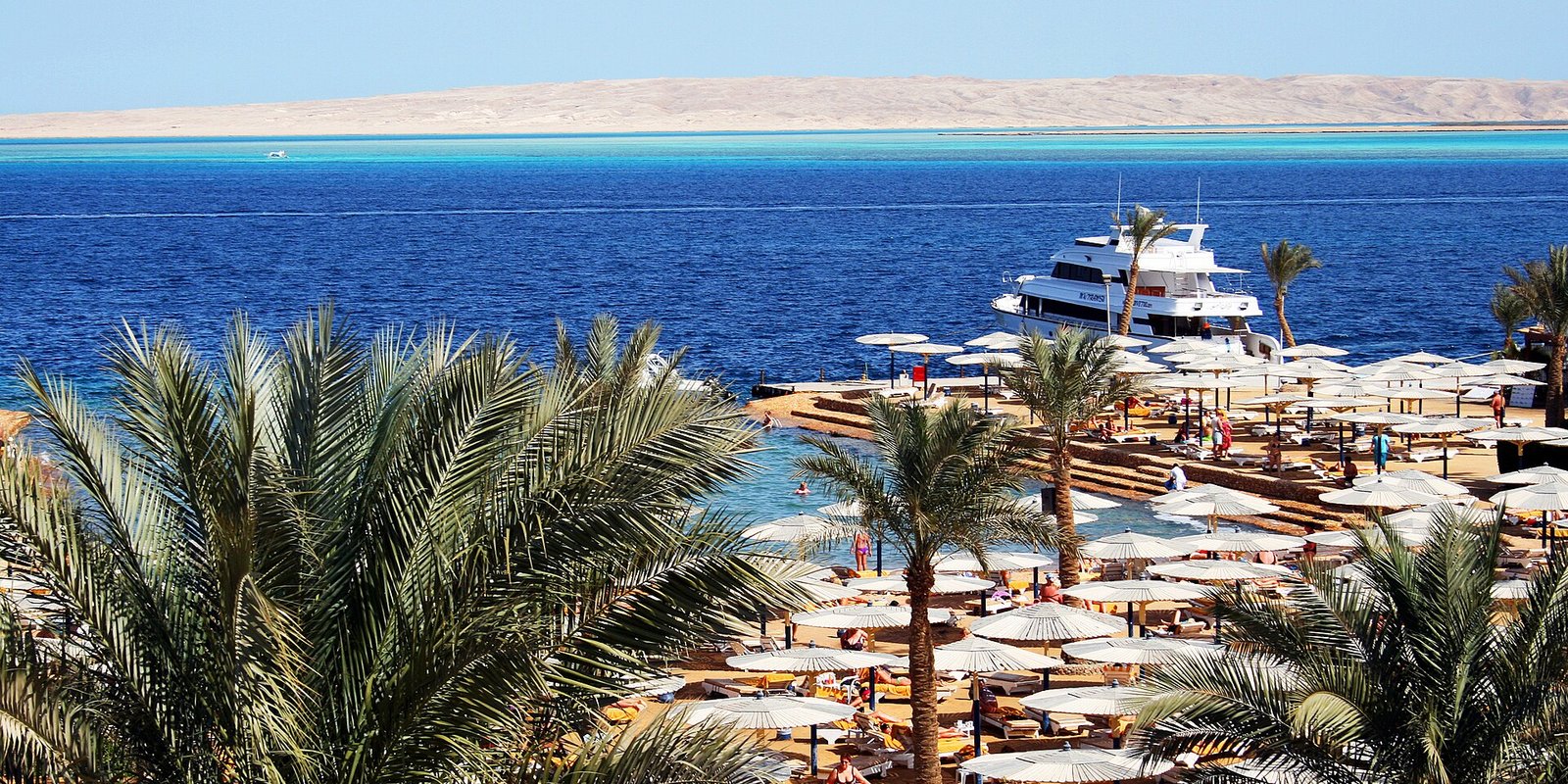
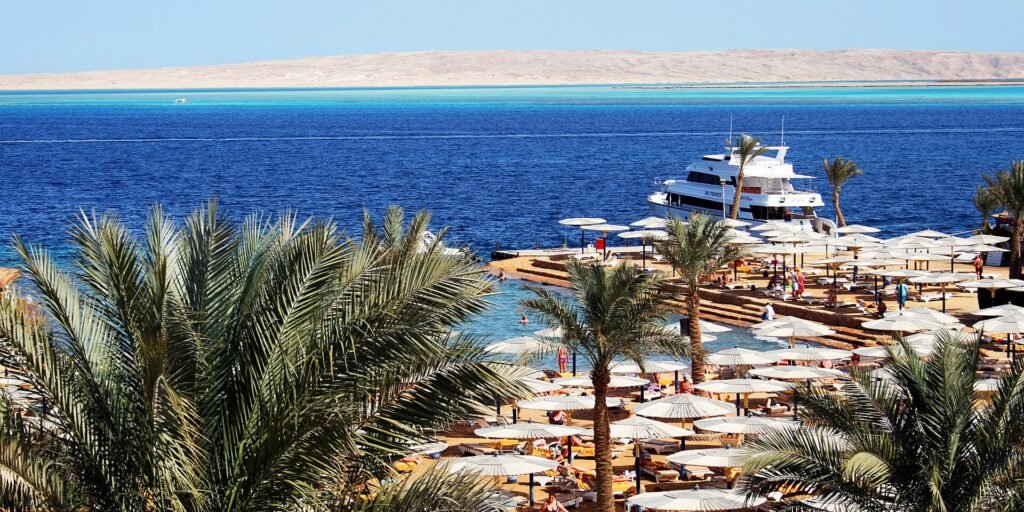
What to see in Hurghada depends on whether you came for the reef, the desert or a base for Luxor, and it does all three
Hurghada is the biggest resort town on Egypt's Red Sea coast, and the things worth your time fall into four groups. On the water: a boat day to Giftun Island, Mahmya or Orange Bay, snorkeling on the house reefs, diving at Abu Ramada and Carless Reef, and an early run to Dolphin House. Along the coast: El Gouna, Sahl Hasheesh, the marina and the old town of El Dahar with its twin-minaret mosque and fish market. Inland: a desert safari with a Bedouin dinner. And four hours down the road: Luxor, as a day trip or, better, an overnight. Most visitors pair a beach week here with a Nile cruise. Here is how we would spend the days.
Hurghada in one page: what kind of place it is
Hurghada runs for about 25 miles along the coast, a long strip of hotels, dive centers and beach clubs with a real town in the middle. It began as a fishing village and a dive base, and the diving still sets the tone.
The town has three centers. El Dahar in the north is the old town, where Egyptians shop and eat. Sekalla, in the middle, holds the modern marina and the nightlife. South of that the resorts run toward Sahl Hasheesh and Makadi Bay, with El Gouna on its own 15 miles to the north.
If you are still choosing a Red Sea base, we weigh Hurghada against the Sinai in our guide to Hurghada or Sharm el Sheikh. If you have already decided, the rest of this page is your list.
Giftun Island, Mahmya and Orange Bay: the boat day you should not skip
Giftun is the big island you see from every beach in town, a protected marine park about 45 minutes out by boat. It has no hotels, no roads and the two best beaches on this coast.
The two named beaches are run as day clubs. Mahmya, on the south of the island, is the older and calmer one, with shaded loungers, a proper lunch and a house reef you snorkel straight from the sand. Orange Bay, on the west side, is newer and busier: a long sandbar with knee-deep turquoise water, swings in the sea, music and a lot of boats by midday. Families prefer Mahmya. Groups in their twenties want Orange Bay.
The day runs from a hotel pick-up around 8:00 to a return by late afternoon, with a snorkel stop on an open reef each way. The boats do not sail in strong wind, so put Giftun early in your week and keep a land plan in reserve. Every sea day, the desert and Luxor are listed in our excursions from Hurghada.
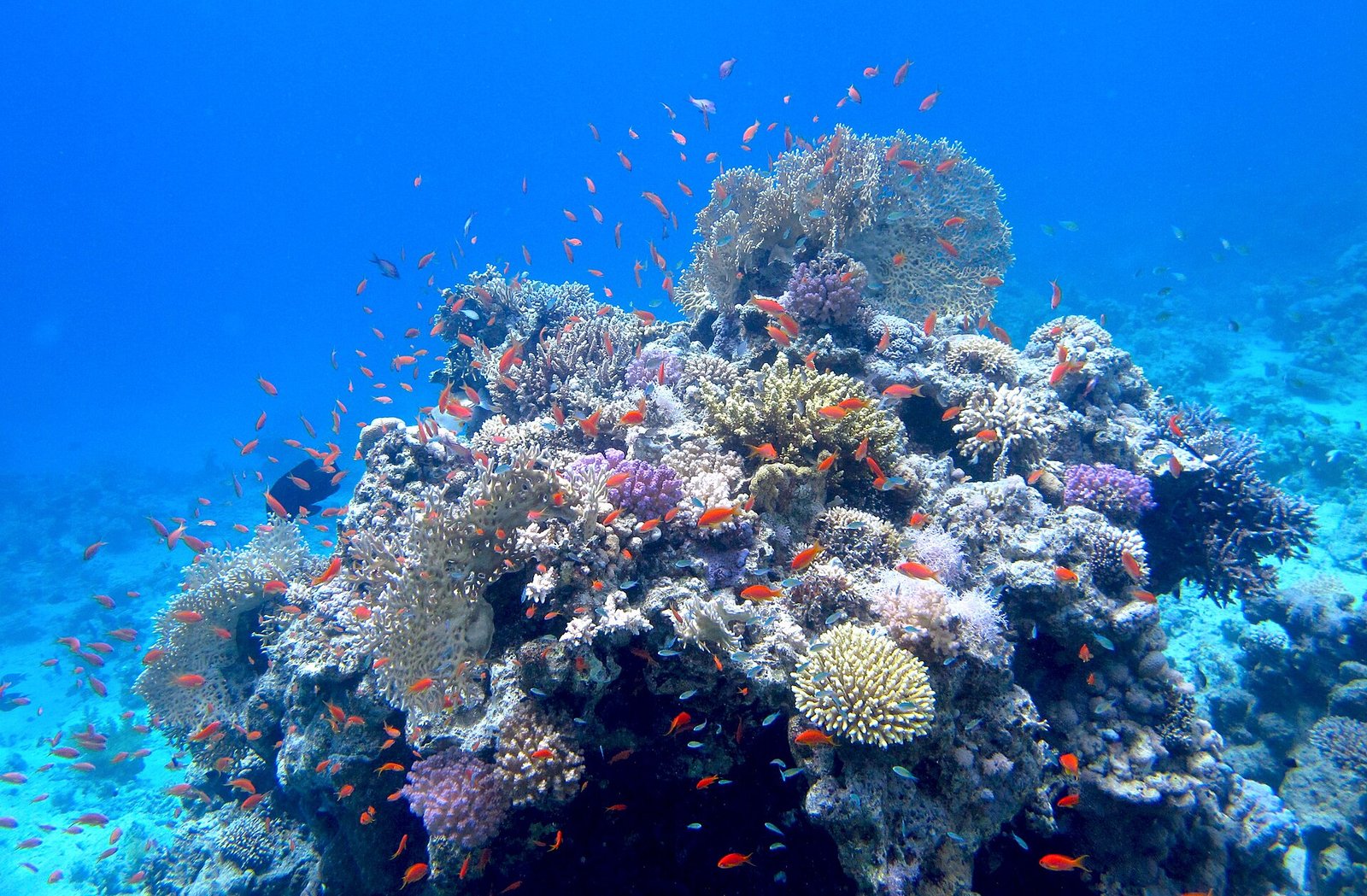
Snorkeling and diving: Abu Ramada, Carless Reef and the Salem Express
The reason Hurghada exists as a resort is the reef. The water is clear most of the year, the coral starts a few yards from shore, and the dive sites are close enough that you are back for lunch.
For snorkelers
The house reefs south of town and the reefs around Giftun are enough for a week. Look for parrotfish, butterflyfish, clouds of orange anthias and the occasional turtle over the seagrass. Wear a rash guard over your swimsuit; the sun off the Red Sea burns your back in twenty minutes.
For divers
- Abu Ramada, an island just south of Giftun, is the classic Hurghada dive: a coral garden the local guides call the aquarium, with soft coral, glassfish and a gentle drift. Fine for a first dive after certification.
- Carless Reef, north of Giftun, is two coral pinnacles rising from a plateau in open water, famous for large moray eels and the chance of something big passing in the blue. Exposed, dived only in calm seas, and better with some experience.
- The Salem Express is a passenger ferry that sank off Safaga in 1991 with heavy loss of life. It lies at a depth that makes it an advanced dive, and many divers choose not to enter it out of respect. Reached from Safaga with a serious guide, never as a resort try-out.
Never dived before? Hurghada is one of the easiest places on earth to learn, with a discovery dive in a morning and a certification course over three or four days. Check that your travel insurance covers diving, and leave a full day between your last dive and any flight.
Dolphin House: how to see the dolphins without ruining it
Dolphin House is the name given to Shaab El Erg, a horseshoe-shaped reef north of Hurghada where a pod of spinner dolphins rests by day inside the lagoon. Seeing them badly, from a crowded boat that chases the pod, is the worst hour on this coast, so choose the trip carefully.
A good trip means an early start to beat the crowd, a captain who stops the boat and lets the dolphins decide, and a guide who tells you to slip in quietly, keep your hands to yourself and never swim at the animals. If they swim off, the boat does not follow. Spinners rest here after hunting all night, and a pod that is chased leaves the reef for good.
Ask for a small boat with a fixed passenger limit and treat the dolphins as a bonus. Nobody honest sells a certain sighting of a wild animal.
El Gouna, Sahl Hasheesh and the marina: the polished side of the coast
Hurghada's own marina, in Sekalla, is where the boats leave from and where the town goes out at night. A promenade of restaurants wraps around the yacht basin, and it is the one place in Hurghada where you can walk for an hour in the evening and eat well. Go after sunset.
El Gouna, 15 miles north, is a purpose-built town on a web of lagoons, with two marinas, a small downtown, golf, kitesurf schools and some of the best restaurants on the coast. It feels like a different country from El Dahar: clean, quiet and popular with Cairo's weekend crowd. We cover it in our guide to El Gouna.
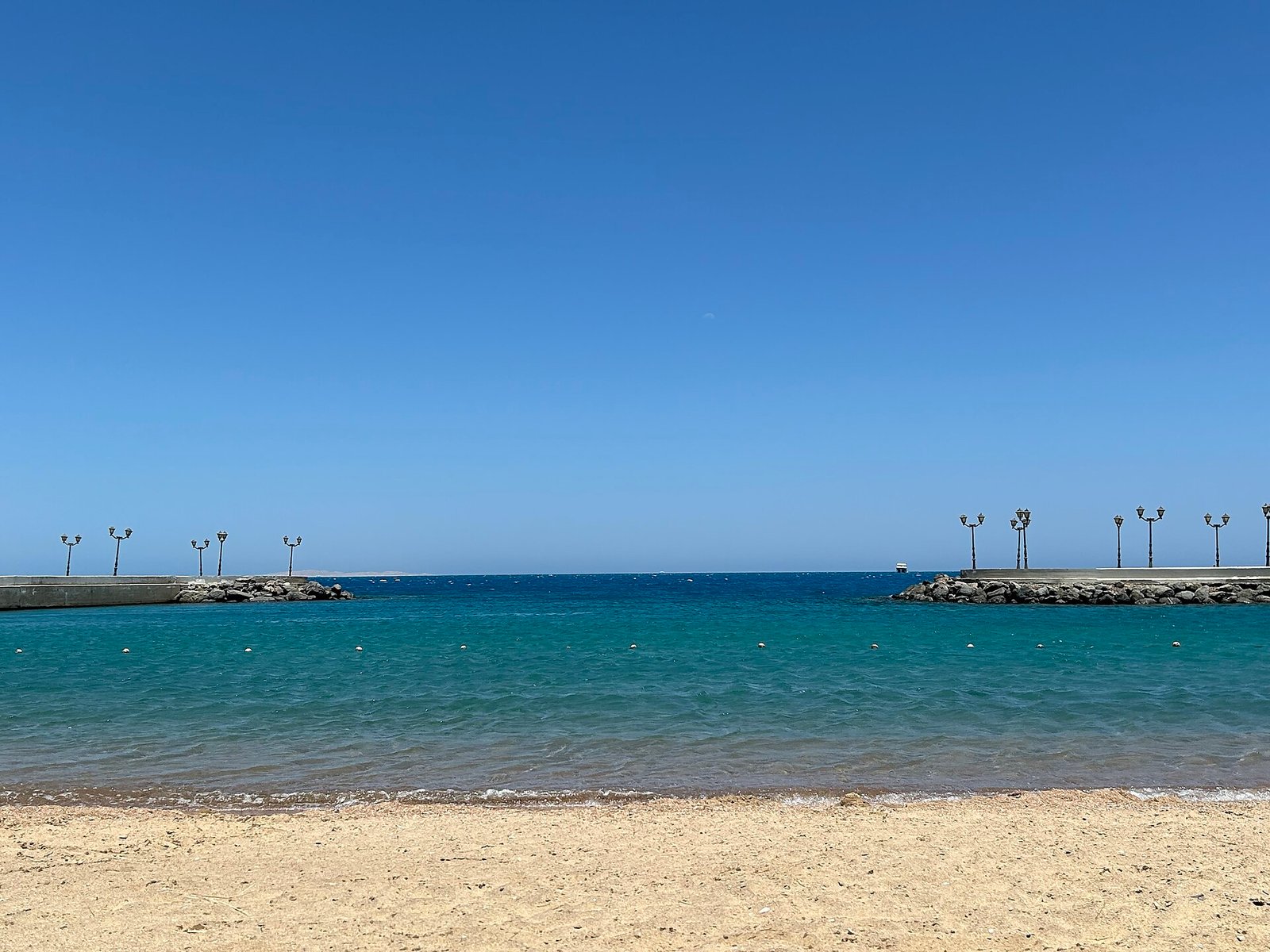
Sahl Hasheesh, 12 miles south, is a gated resort bay with a paved boardwalk, a pier over the reef and a beach that stays calm when the town beaches are choppy. A small sunken city of statues off the pier makes a fun snorkel for anyone nervous about open reefs. Read our Sahl Hasheesh travel guide if you are weighing it as a base.
El Dahar: the old town, the mosque and the fish market
El Dahar, at the north end, is where the fishing village became a town, and it is the only part of the coast that would exist if the tourists went home. Give it an afternoon and an evening.
Start at the Al Mina Mosque on the waterfront, the big white building with two tall minarets you see from the sea. Non-Muslim visitors can usually look inside outside prayer times, dressed modestly, shoes off, shoulders and knees covered. From there walk inland to the souk, where Hurghada buys its fruit, spices and fabric, and sit down for a shisha and a glass of mint tea.
Then eat. The old fishing harbor has a fish market where you choose from the morning's catch, have it weighed and carry it a few doors down to a kitchen that grills it with rice and salad. It is the best meal in Hurghada and it never appears in a hotel brochure.
The Grand Aquarium and other family days on land
On a windy day the boats stay in port, and on a normal day a child who has been in the sun since breakfast needs a break. Hurghada has more shaded options than any other Red Sea town, and the Grand Aquarium is the best of them.
It sits on the road south toward Sahl Hasheesh and takes about two hours: a walk-through tunnel under the sharks and rays, tanks that reproduce the reef you snorkeled the day before, and a small zoo section.
- Water parks at several large hotels admit day visitors.
- Glass-bottom boats and semi-submarines, for grandparents and small children who want the reef without getting wet.
- Sand City and Mini Egypt Park, sand sculptures and scale models of the temples, an hour each in the late afternoon light.
Families usually want one question answered before the hotel: whether to go all-inclusive. Our guide to Hurghada all-inclusive covers it, including which resorts have the shallow lagoons and jetties that matter with small children.
Desert safari, quad bikes and the Bedouin dinner
The desert starts where the last hotel ends. A safari is the standard afternoon-into-evening excursion: a drive into the Eastern Desert toward the mountains, a Bedouin village, a camel ride, sunset from a dune, dinner and a show in a camp under the stars. Done well it is a fine evening. Done badly it is a dusty conveyor belt, so here is how to choose.
Quad bikes and buggies
Quads are the popular way out there, and the accident rate on the cheap tours is real. Insist on a helmet and goggles, buy a scarf for the dust, wear closed shoes and long pants, and ride in single file at the guide's pace. No overtaking, no racing. If you would rather not drive, a shared 4x4 reaches the same sunset with far less dust and is the better choice for anyone over sixty or under twelve.
The animals
Camels in the desert camps are working animals that do a short loop for every group. Look at them before you ride. Sores, a limp or an exhausted look are your reason to say no thank you and walk to the dune. We work with camps where the animals are fed and rested.
The dinner and the sky
The Bedouin dinner is grilled chicken or kofta, rice, bread baked in the sand and tea by a fire, then a folk show and stargazing. This far from the city, on a moonless night, you see the Milky Way. Bring a sweater from November to March; the desert drops 20 degrees F (about 11 degrees C) the minute the sun goes down.
The Luxor day trip from Hurghada, and why the overnight is better
Luxor is about four hours from Hurghada by road, across the Eastern Desert and down the Nile valley. That makes it the only Red Sea base from which you can see the Valley of the Kings and be back at the pool by dinner.
The day version leaves the hotel around 5:00 in a private car with your own guide, does the West Bank for the Valley of the Kings, Hatshepsut's temple and the Colossi of Memnon, has lunch, sees Karnak and starts home around 4:00. It is long, it is worth it, and it is a lot of car.
The overnight is the one we recommend to anyone with a spare day. West Bank the first afternoon, a night by the Nile, the hot air balloon at dawn if you want it, Karnak and Luxor Temple in the morning light with no crowds, and the drive back after lunch. Same road, half the fatigue, twice the Luxor. Our guide to the Luxor East Bank and West Bank explains what sits on which side.
What a beach week paired with a Nile cruise looks like
The most complete Egypt trip we build is culture first, sea second. Cairo first, then the Nile cruise, then Hurghada for the last stretch, when you are tired of early alarms and want a beach. Ending on the coast means you fly home rested.
- Days 1 to 3, Cairo. Giza, Saqqara, the museum, Islamic Cairo, an evening on the Nile.
- Days 4 to 8, the Nile. A domestic flight to Luxor or Aswan and a cruise between the two, with Abu Simbel added from Aswan if you want it.
- Days 8 to 14, Hurghada. A private car from the cruise boat in Luxor to your hotel the same afternoon, then the week described above.
If you would rather start on the beach and do the Nile at the end, our page on a Nile cruise from Hurghada explains that order, and Cairo and a Nile cruise covers the front half of the trip.
Best months to visit Hurghada, in Fahrenheit and Celsius
Hurghada has sun almost every day of the year, so the question is heat and wind, not rain. The water is warm enough to swim in every month. The air is not.
| Months | Daytime high | Sea | What it is like |
|---|---|---|---|
| December to February | 70 to 75 F (21 to 24 C) | About 72 F (22 C) | Warm days, cool evenings. Ideal for Luxor and the desert; a wetsuit top helps for snorkeling. |
| March to May | 77 to 90 F (25 to 32 C) | 73 to 77 F (23 to 25 C) | The sweet spot. Warm sea, bearable Luxor, long days. |
| June to September | 95 to 104 F (35 to 40 C) | 82 to 84 F (28 to 29 C) | Hot and dry, bath-warm sea. Fine on the water, punishing in Luxor after ten. |
| October to November | 80 to 90 F (27 to 32 C) | About 79 F (26 C) | The other sweet spot. Warm water, softening heat, clear visibility for divers. |
Our pick for a trip that mixes the beach with Luxor is late October through April. If the sea is the whole point, May, June and late September give the warmest water without the July heat.
How Explora Egipto runs Hurghada
We are a local agency in Egypt with our own guides, drivers and vehicles, and Hurghada is where most of our Nile clients end their trip. In practice that means:
- Private sea days on boats we know, with a fixed passenger count and a captain who follows the marine park rules.
- Your own Egyptologist for Luxor in a private car, leaving when you want, not a 50-seat coach on a fixed loop.
- The desert with the right camp: helmets that fit, quads that are maintained, camels that are rested.
- Transfers solved: airport, cruise boat, Luxor and back, with the same driver throughout.
No prices are published here because every trip is built around your dates, hotel and group. Write to us with those three things and we send you the quote.
Frequently asked questions
How many days do you need in Hurghada?
Five to seven days if Hurghada is the beach end of a bigger Egypt trip. That gives you a Giftun day, a Dolphin House morning, a desert evening, the Luxor overnight and two days of nothing. If Hurghada is the whole trip, a week to ten days is comfortable.
Is Hurghada better than Sharm el Sheikh?
For travelers who want to combine the beach with Luxor and the Nile, yes, because Luxor is four hours from Hurghada by road and unreachable from Sharm in a day. Sharm has steeper wall dives, Ras Mohammed and Mount Sinai. Hurghada has more town life, more family options, El Gouna next door and the shorter road to the temples.
Can you swim with dolphins in Hurghada?
You can snorkel at Dolphin House, the reef north of town where wild spinner dolphins rest by day, and if the pod is relaxed they often swim close. Nobody can promise it, and a boat that chases them is doing damage. Go early, on a small boat, enter the water quietly and let the animals choose. We do not sell any captive dolphin experience.
Is Hurghada safe for American tourists?
Hurghada is a resort town whose economy depends on visitors, and the hotels, marina and tourist areas are heavily policed and calm. The practical risks are the ones you control: sunburn, dehydration, a quad ridden too fast and a boat trip booked from a beach tout. Use a licensed operator.
Do you need a guide for the Luxor day trip from Hurghada?
You need a driver, because the road is long and you should not rent a car for it, and you want a guide, because the Valley of the Kings and Karnak without an Egyptologist are a lot of very impressive stone. A private car with a guide gets you inside the tombs before the tour buses arrive.
What should I pack for Hurghada?
Reef-safe sunscreen, a rash guard, water shoes for rocky entries, your own mask if you have one, a light scarf for the desert dust and the mosque, a sweater for winter evenings and your dive certification card. Modest clothing for El Dahar and Luxor, shoulders and knees covered, for men and women alike. Leave the drone at home; Egypt does not allow them without a permit.
Tell us your dates and we build the Hurghada week around them
Send us your travel dates, who is coming and whether you want Luxor and the Nile in the same trip. We come back with the boat days, the desert evening, the transfers and the hotel stretch that fits, in one message, with the quote attached.